




The Journal
The Art of Display: How to Style Statement Objects in a Luxury Home
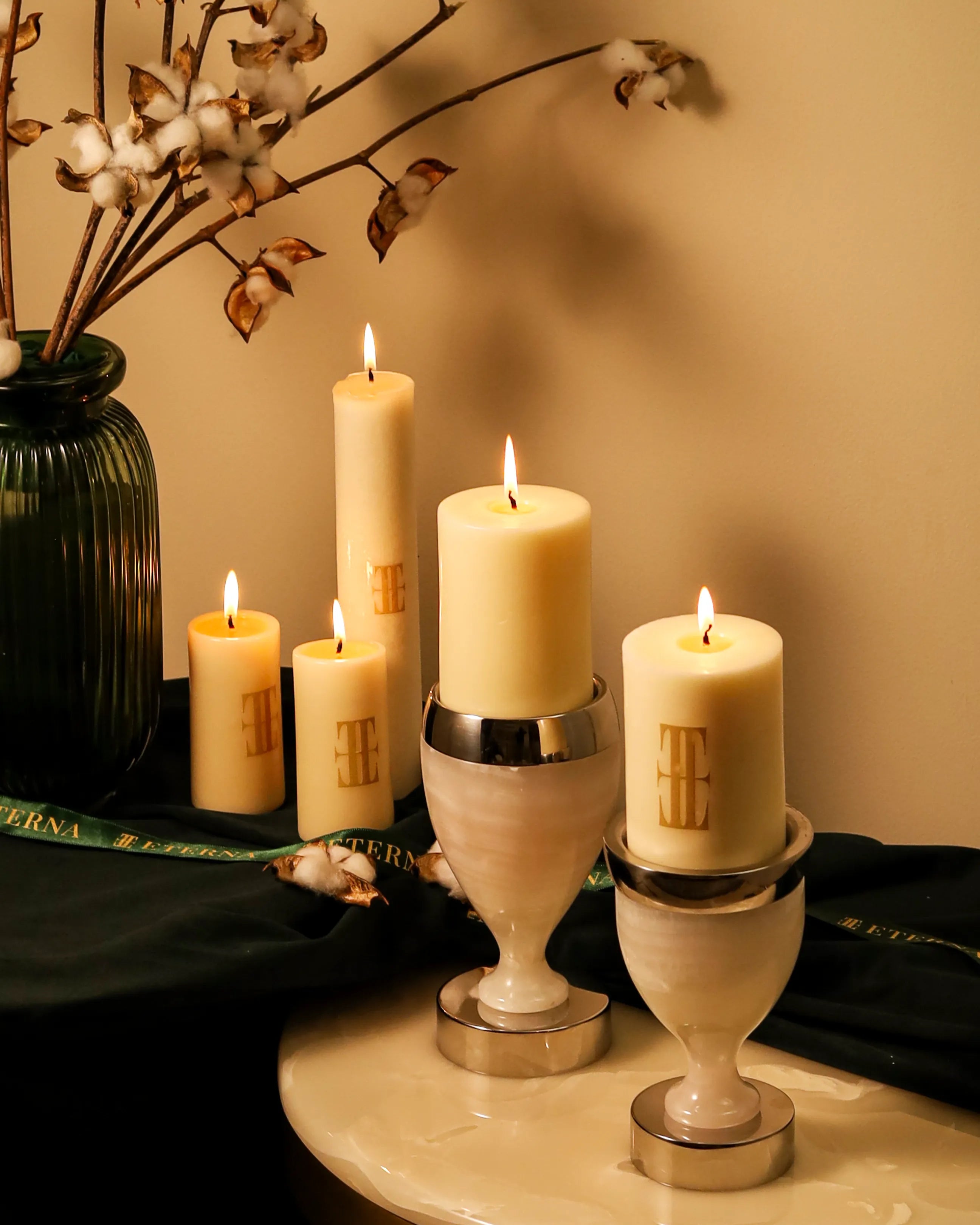
Three principles for styling statement objects: odd numbers and varied heights, layered textures and materials, and groupings that tell a story.
There is a particular kind of room that stops you at the threshold. Not because any single object in it shouts for attention, but because everything in it seems to be in conversation. A brass candlestick beside a stack of linen-bound books. A piece of raw stone sitting quietly next to a polished ceramic vase. Nothing matches, exactly, yet nothing feels out of place. This is the art of layering: the practice of building visual depth through the thoughtful accumulation, not the random collection, of objects.
1. Build in Odd Numbers and Varying Heights
The eye finds symmetry restful but finds asymmetry interesting, and interesting is what elevates a vignette from pleasant to memorable. This is why designers instinctively group objects in odd numbers, typically threes or fives. A tall vase, a mid-height stack of books and a low decorative box together form a sight hard to ignore.
Start with your tallest anchor piece: an ornate candle stand, a striking vase, or an oversized art book. Layer a mid-height object beside it, perhaps a smaller vessel or a framed photograph. Finish with something low and grounding, like a dish, a small stone, or a miniature showpiece. This triangular arrangement, a technique borrowed from classical still-life painting, naturally guides the eye up, across, and down, giving the vignette a sense of rhythm rather than a static row.
Equally important is negative space. Sophisticated layering leaves room to breathe; objects placed too close together compete rather than complement. As a general rule, if you can't identify each object's silhouette at a glance, the grouping probably needs editing, not additions.
2. Layer Textures and Materials, Not Just Objects
True depth in a room comes less from the number of objects displayed and more from the range of materials represented. A collection of only glossy ceramics, however beautiful individually, will always feel one-dimensional. The most sophisticated interiors deliberately mix matte and shine, rough and smooth, warm and cool.
Consider pairing a silver plated serving stand with a piece of unglazed pottery, or resting a smooth object beside something woven or textured. Steel, wood, stone, brass, glass and textile each catch and reflect light differently, and it is this interplay that gives a layered display its sense of richness.
3. Anchor Every Grouping with a Sense of Story
The difference between a display that feels styled and one that feels staged often comes down to narrative. Sophisticated decorating cannot lack in intention; the objects on a console table or bookshelf should feel as though they were gathered over time, each with a reason for being there.
This doesn't mean every item needs literal sentimental value, though those pieces are often what elevate a room from showroom to home. Instead, think of each grouping as having an implied story: an antique object suggests history; a piece of natural coral or stone suggests the outdoors brought inward; a stack of well-worn books suggests intellect and curiosity. When objects share a loose thematic thread, whether that's era, origin, or material philosophy, the grouping feels cohesive even when the individual pieces are eclectic.
Bringing It Together
The art of layering is ultimately about creating a space that feels collected rather than decorated. Whether you are drawn to the craft-led elegance of Good Earth, the heritage-rich interiors of Ralph Lauren Home, the eclectic glamour of Jonathan Adler, or the quieter language of handcrafted objects, the principle remains the same: choose pieces with character, vary height and texture, and allow each object enough space to be appreciated.
Bring these principles of height, texture, material and visual contrast into your own spaces with decorative objects designed to be layered, lived with and remembered.
Explore the collection at La Maison Eterna.
Further reading from the Journal: Importance of Aesthetics and Home Curation and A Guide to Decorative Vases for Modern Indian Homes.
More from the Journal
Continue Reading

Diwali Gift Ideas 2026: Gifts That Belong in the Home
Diwali gifting is becoming more intentional. A guide to silver-plated tableware, decor, pooja pieces and co...
October 26, 2026Diwali Gifting: Ideas, Etiquette and Luxury Gift Picks That Feel Personal
What makes a Diwali gift work, the etiquette that makes it land, and three serveware pieces from La Maison ...
October 26, 2026How to Set a Diwali Table for Family and Guests
A practical guide to setting a Diwali table that feels warm and considered, from the surface and metals to ...
October 26, 2026